1929-1956
-
Sir Archibald Sinclair, the Liberal Party and the abdication of King Edward VIII
How close were the Liberals to backing the King’s cause during the abdication crisis in December 1936?
-
The slow death of Liberal Wales 1906 – 1979
The story of Liberalism in Wales 1906 – 1979.
-
At the heart of the party
Biography of Raymond Jones (1883-1948), constituency organiser, election agent and parliamentary candidate.
-
Megan Lloyd George, 1902-1966
Megan Lloyd George was born at Criccieth, Caernarfonshire, on 22 April 1902, the third daughter and fifth child of David Lloyd George and his wife Margaret. Until the age of four she could speak only Welsh. She was educated privately, in part by Frances Stevenson, who became her father’s mistress and in 1943 his second wife,…
-
Sir Winston Churchill, 1874-1965
Winston Leonard Spencer Churchill was born in Blenheim Palace, Oxfordshire on 30 November 1874, the son of Lord Randolph Churchill and his American wife, Jennie. He was educated at Harrow and Sandhurst, and embarked on a military career which took him to India and Africa. He also began to make a name for himself as…
-
David Lloyd-George (Earl Lloyd-George and Viscount Gwynedd), 1863-1945
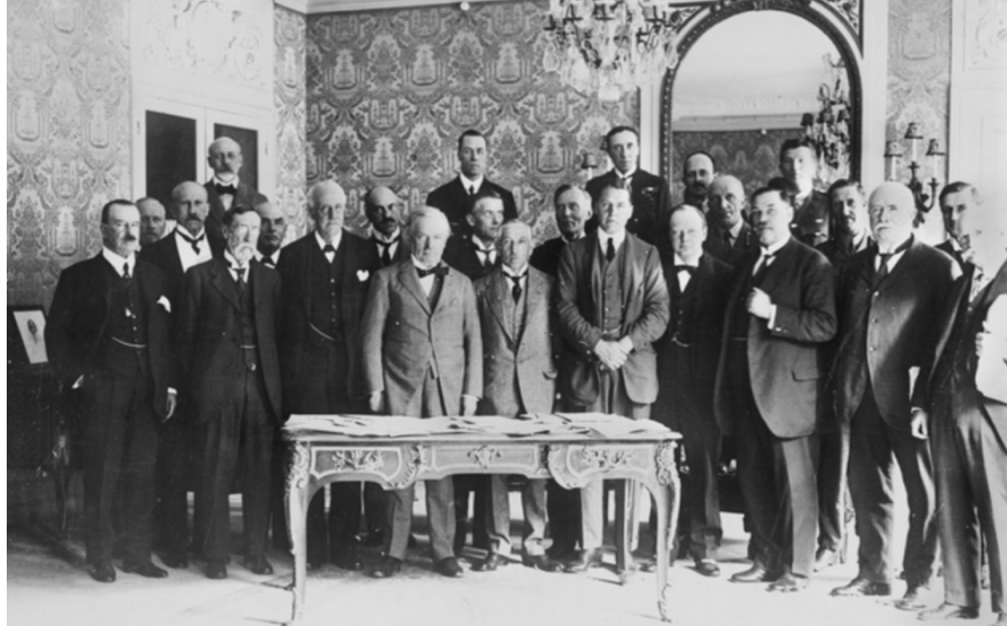
[…]The pinnacle of Lloyd George’s career was the peace-making at Paris in the first half of 1919, leading to the Treaty of Versailles, signed on 28 June 1919. While rightly criticised in many aspects (such as the war guilt clause, the scale of reparations and many boundaries), Lloyd George tilted the settlement in a more…
-
Clement Davies, 1884-1962
[…]rom his boyhood Clement Davies had been fascinated by political life. He was approached as a possible Liberal candidate as early as 1910, but did not consent to stand for Parliament until 1927 when he was chosen as the Liberal candidate for his native Montgomeryshire. Seen initially as an avid radical and a stalwart supporter…
-
David and Frances: Marriage
An examination of the build-up to the marriage of David Lloyd George and Frances Stevenson in 1943.